Solar carports: turning car parks into energy assets
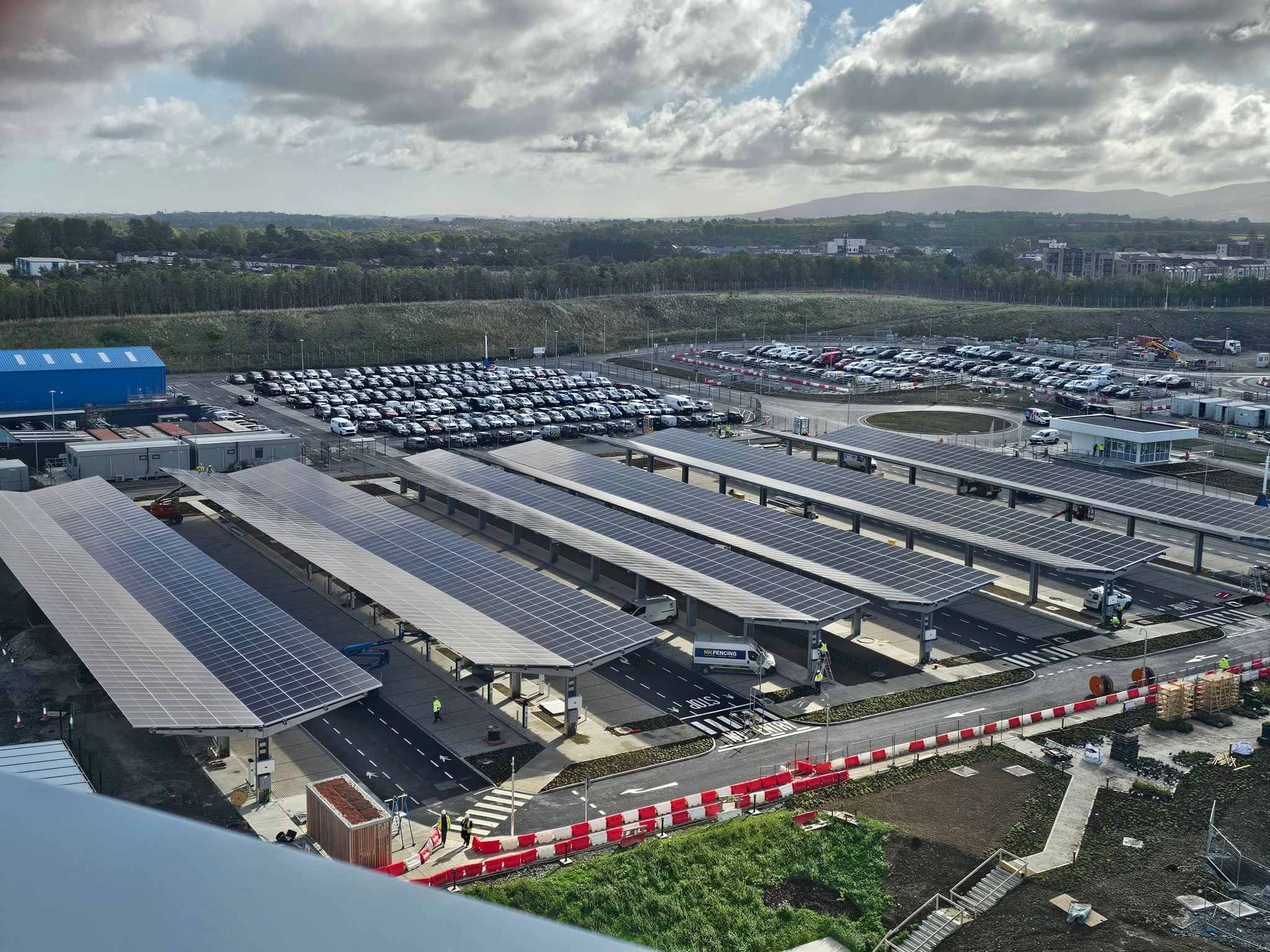
A car park is one of the few large, unshaded, already-developed surfaces most sites own. Covered with PV it generates power where the building needs it — and shelters the cars while doing it.
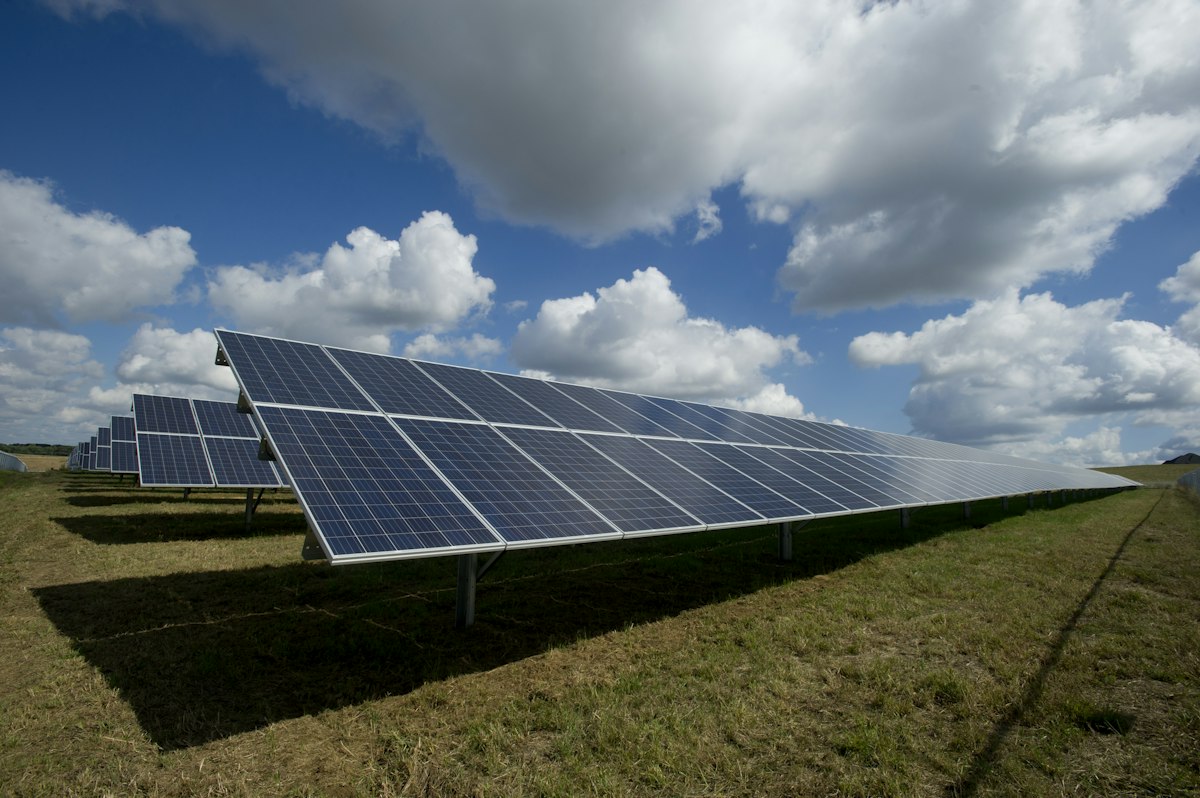
Most commercial sites have two large surfaces: the roof and the car park. The roof is usually spoken for by plant. The car park is often the better resource anyway — unshaded, accessible, and close to where the load sits.
What a carport installation involves
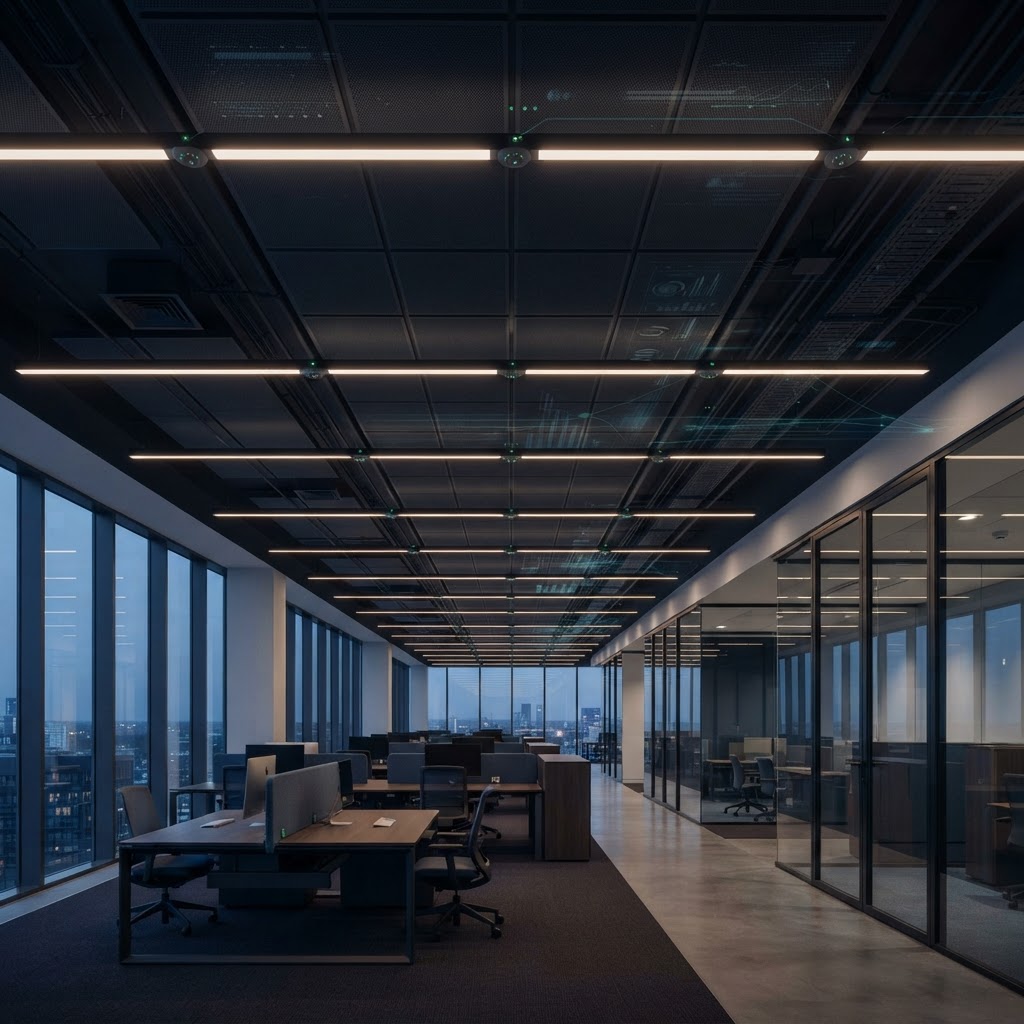
A steel canopy structure with PV modules over each bay, foundations, drainage, and the electrical work to bring generation back to the building. Lighting under the canopy is usually part of the scheme, which is where our side of the work begins: LED luminaires on the same control system as the rest of the site, with daylight and occupancy sensing so the car park is lit when it needs to be and not overnight.
For sites moving to electric vehicles, the same structure carries charge points without a second round of civils work, and the generation offsets what the chargers draw.
Where the numbers work
Carport schemes are driven by three things: the number of usable bays, how much of the generation the building consumes on site, and the export tariff available. Self-consumption is what makes the payback work, so the modelling matters more than the panel specification.
A car park that already exists, already has power nearby, and already has cars sitting on it all day is a difficult resource to waste.
We size the array against the site load, model the saving in euro, and coordinate the canopy, electrical and lighting work as one project. Our solar calculator gives a first indication in a couple of minutes.
Talk to Scott Group about a project
Get in Touch