Workplace EV charging: plan the demand before adding the chargers
Departure times, building demand and variable solar output should shape a workplace charging plan. Practical considerations for Irish facilities teams.
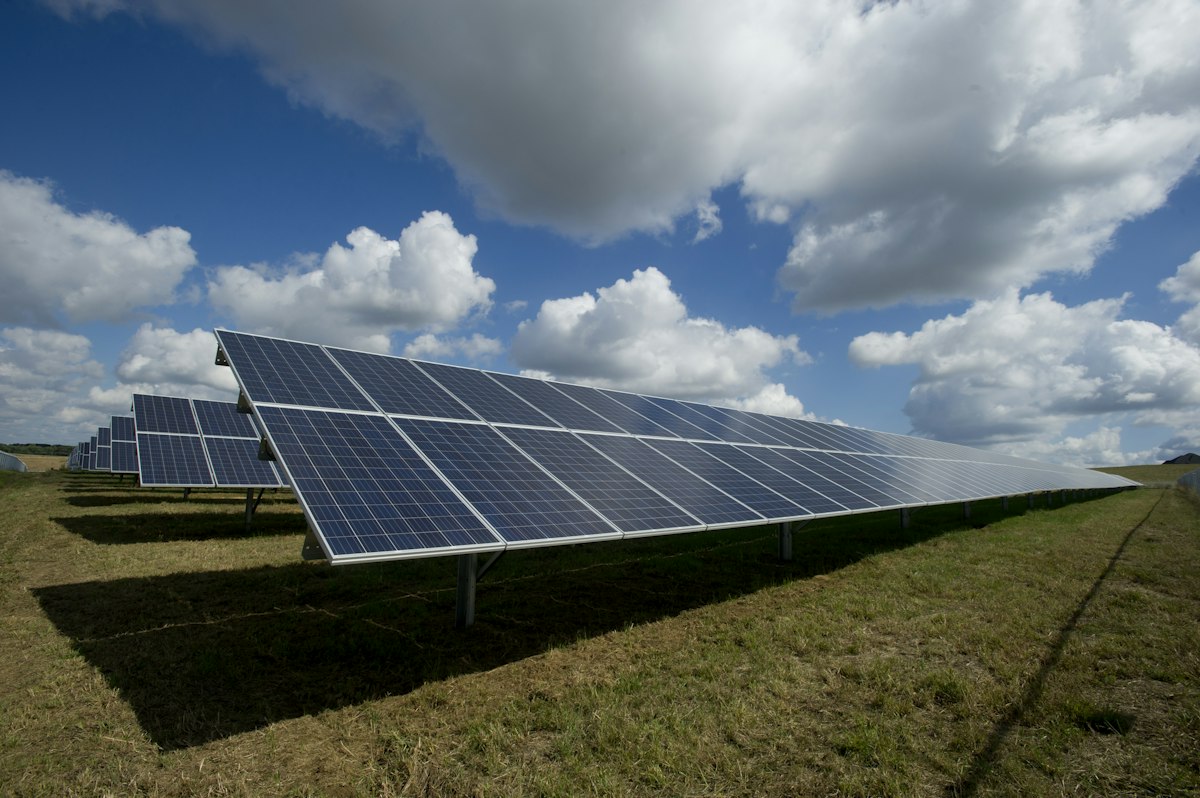
Evergreen Insight — Adding EV charging to a workplace is an energy-management decision as well as an installation project. ESB Networks describes flexible demand as adjusting or shifting electricity use in response to supply, demand and local renewable generation. For Irish commercial facilities, that principle offers a useful starting point: define when vehicles need energy before deciding how much charging power to install.
This article uses ESB Networks’ current flexible-demand guidance, checked on 19 November 2026. The page does not show a publication date, so this is practical planning advice rather than an announcement of a new scheme or payment opportunity.
Start with departure times and energy needs
Our recommendation is to record who will use the chargers, how long vehicles normally stay and what energy they need before departure. Staff cars parked for a working day present a different requirement from delivery vehicles returning briefly between journeys. Charger numbers and rated power alone cannot describe the service the site must provide.
Prepare a representative weekday profile, including early arrivals, shift changes and visitors. Agree how access and charging priority will work. Where several users share limited capacity, the operating rules should be understandable before the first vehicle plugs in.
Look at the whole building load
Review available interval meter data alongside major electrical loads. The charging designer needs to understand when the building is already busiest, what spare capacity has been established and which future loads are planned. Confirm the connection and electrical design requirements with the appropriate specialists rather than assuming that a quieter car park means spare electrical capacity.
A proposed load-management system should have an agreed control objective, suitable measurement and a defined response when communications or metering are unavailable. Demonstrate those functions during commissioning. Facilities staff also need a clear route for investigating a vehicle that has not received the expected charge.
Coordinate solar without promising constant output
ESB Networks highlights matching demand with renewable generation as part of flexibility. For a site considering a solar carport, our practical interpretation is to compare likely charging sessions with the building’s consumption and the expected generation profile. Daytime parking can provide an opportunity to use solar electricity locally, but output changes with weather and season.
Keep the required charging service separate from the expected solar contribution. Establish how charging will be supported when generation is low, and assess any storage proposal against its actual operating purpose. Financial modelling should use the site’s tariffs, measured demand and realistic assumptions rather than treating all generated electricity as identical savings.
Begin with a manageable first phase and record delivered energy, charging availability and user feedback. That evidence can inform expansion. Contact Scott Group to discuss how commercial solar, carports, monitoring and EV charging could be coordinated around your site’s needs.
Source: ESB Networks flexible-demand guidance — checked 19 November 2026Talk to Scott Group about a project
Get in Touch