
Silvair
Wireless Solutions for Smarter Buildings
Silvair is the technology layer behind Bluetooth NLC — wireless lighting control, HVAC integration, automated emergency lighting testing and building analytics on one open, globally interoperable standard.
Scott Group & Silvair
Silvair builds the technology that makes commercial buildings wireless: firmware inside lighting components, the apps that commission and manage them, and the services that turn the resulting data into energy and compliance reporting. All of it is anchored to Bluetooth NLC — the open Network Lighting Control standard built on Bluetooth mesh — so drivers, sensors, switches and thermostats from different manufacturers work in one network rather than one vendor’s silo. More than one million devices are managed on the Silvair platform today, and its BACnet Gateway is certified by the BACnet Testing Laboratories. Scott Group specifies and commissions Silvair-based systems for Irish projects, from a single floor to a multi-building estate, and combines them with the emergency lighting, monitoring and BMS integrations that make the system useful long after handover.
Ideal For
Key Capabilities
One open standard, three layers
Silvair is not a closed lighting brand. It is the technology layer of Bluetooth NLC — open, certified and built so that components, apps and building systems from different companies can work together without proprietary middleware.
Because the standard is open, a Silvair network is not tied to one luminaire manufacturer — and it is not tied to Scott Group either. The specification is yours either way.
Inside the components
Silvair firmware lives in LED drivers, sensors, switches, fixture controllers and thermostats, giving each device wireless control with wire-like reliability. Every component is qualified by the Bluetooth SIG, so qualified devices from different manufacturers work in the same network.
Commissioned from a tablet
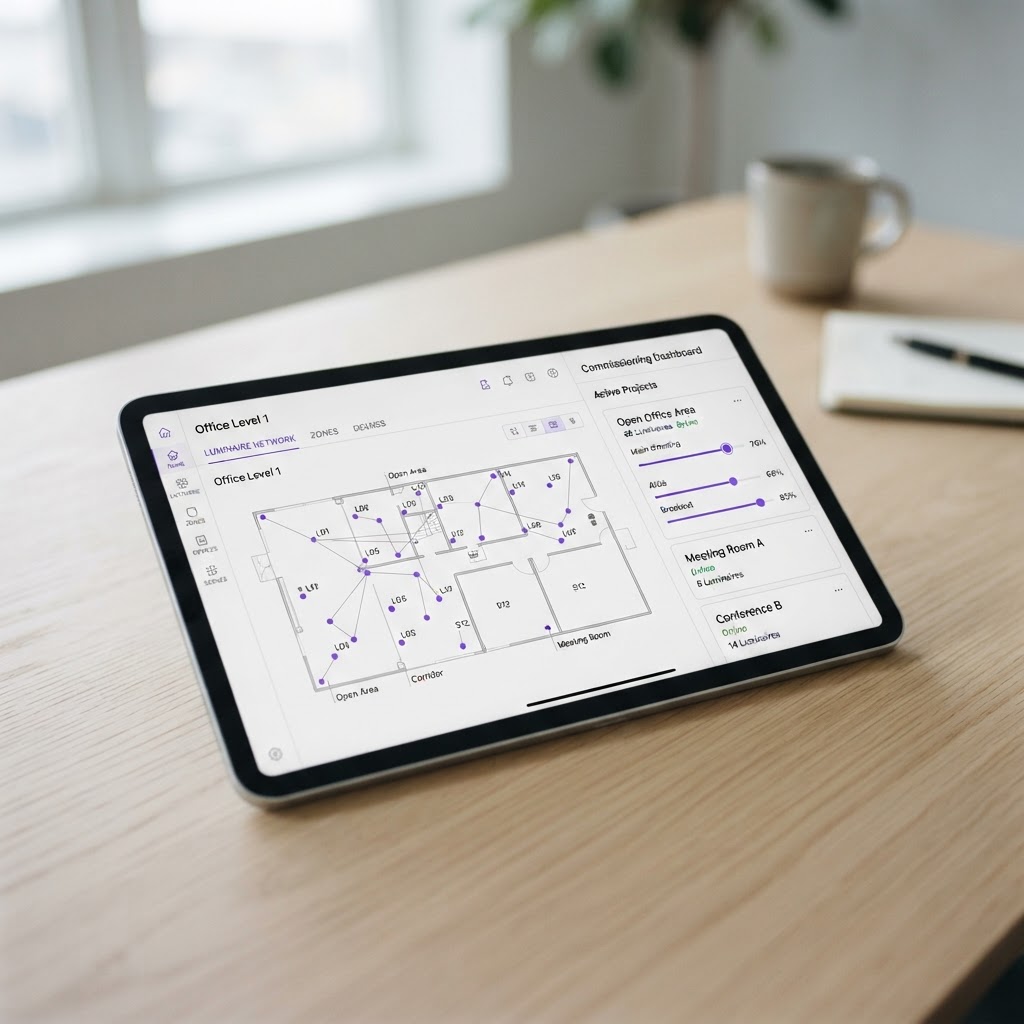
The network is built in the Silvair app: automated networking, remote configuration and fine-tuning, and no need for specialist lighting control engineering. That is what makes advanced control strategies affordable on ordinary commercial projects.
Connected to the building
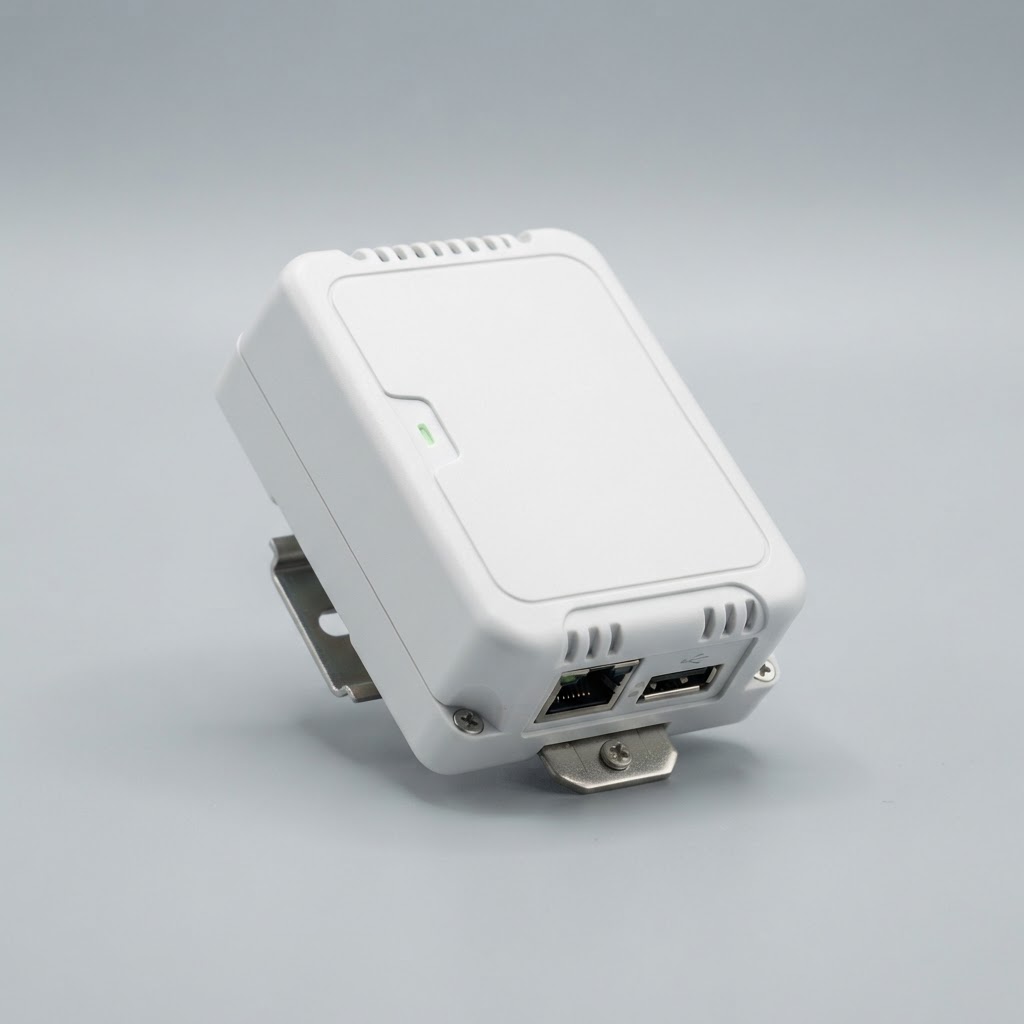
Energy and occupancy data reaches facilities teams through in-app dashboards or an open API, and the BTL-certified BACnet Gateway puts lighting into the BMS alongside HVAC and metering — on-premise, with no cloud dependency.
Six things one wireless network does
Everything is built on Bluetooth NLC, the open Network Lighting Control standard. That means lighting, HVAC, emergency testing, energy data and BMS integration share one network — not five separate systems bolted together.
Wireless lighting control
Drivers, sensors, switches and fixture controllers on one Bluetooth mesh network — daylight harvesting, occupancy sensing and tunable white, with the strategies reconfigurable in software long after handover.
HVAC control
Presence data from the lighting sensors passes straight to Bluetooth NLC thermostats, so heating and cooling follow real space use. One system, one app, no separate network or extra gateway.
Emergency lighting testing
Scheduled tests run on the luminaires themselves, with on-demand manual tests and detailed reports. Core testing needs no gateway; add one and reports archive automatically.
Energy monitoring
Fine-grained consumption at project, area, zone or node level, in-app dashboards or over an API — with a one-click before-and-after comparison to prove a retrofit.
Occupancy analytics
The sensor network installed for lighting doubles as a space analytics platform: bottlenecks, cleaning efficiency, desk-to-employee ratios and HVAC optimisation.
BMS & open API
The BTL-certified BACnet Gateway translates the lighting network into BACnet objects on-premise, and an open API exposes the same data to dashboards and third-party platforms.
The Silvair stack, specified by Scott Group
The apps that commission and run the network, the gateway that connects it to the BMS, and the services that turn the data into compliance and savings.
Software
1 item
Gateways
1 item
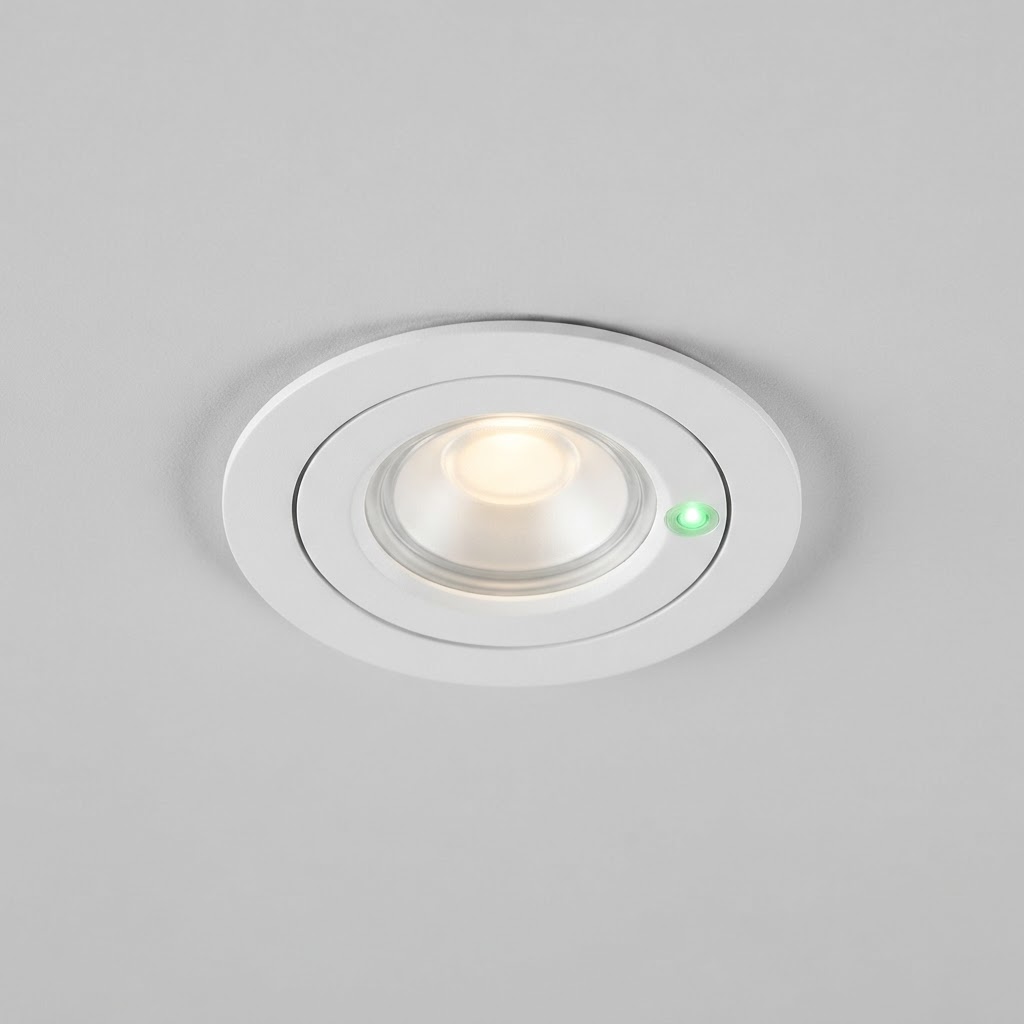

Hundreds of qualified components, from the manufacturers you already specify
Silvair-qualified products are made by lighting and controls manufacturers around the world, so the fittings, sensors and drivers on your project can come from the supply chain you already use — and still speak to one another on site.
- DALI, D4i, 0-10V and PWM dimming
- Occupancy, vacancy and daylight sensing
- Tunable white and colour control
- Emergency lighting testing
- HVAC and thermostat control
- Wall controls, power packs and range extenders
Among the manufacturers
Product availability changes as the standard is adopted. We confirm qualified components against your specification at design stage.