LuxBox
Emergency Lighting — Wireless & Reporting
Lux Box designs and manufactures emergency lighting components in the UK and Switzerland — drivers and remote boxes that convert existing LED luminaires, exit signs, IP65 luminaires, batteries and central supervision units.
Scott Group & LuxBox
Lux Box has been designing, developing and manufacturing emergency lighting components and kits since 1973. Circuit boards, microelectronics and circuit assembly are produced in its own fully automated Swiss facility, with component and kit assembly in the UK — which is why bespoke DALI solutions, luminaire conversions and small production runs are practical rather than a special order. Standard and bespoke products are certified to British Standards, ICEL endorsed and BSI kitemarked, with ENEC and DALI approval across the range. Scott Group uses Lux Box across Irish projects in two ways: converting the LED luminaires already on a ceiling into compliant emergency fittings with drivers and remote boxes, and supplying new emergency luminaires, exit signs and central supervision where the scheme is new or extended. The supervision units run weekly functional and quarterly duration tests themselves, so compliance stops depending on somebody remembering to press a button.
Ideal For
Key Capabilities
Emergency lighting components made since 1973
Lux Box designs, develops and manufactures emergency lighting components and kits — not a trading badge on imported gear. That matters when a scheme needs a driver that fits a specific luminaire, or a conversion that has to be certified rather than improvised.
Made in our own facilities
Circuit boards, microelectronics and circuit assembly are produced in Lux Box’s fully automated Swiss facility, with component and kit assembly in the UK — giving precision and continuity of quality rather than a badge on somebody else’s product.
Bespoke when the project needs it
Full control of development and manufacture in the UK and Europe means bespoke DALI solutions, prototyping, small production runs and luminaire conversions are all practical — not a special order that takes a year.
Certified, not just compliant-sounding
Standard and bespoke products are certified to British Standards, ICEL endorsed and BSI kitemarked, with ENEC and DALI approval across the range.
Short, controlled supply chain
Manufacture in the UK and Switzerland with an agile supply chain reduces transport cost and delivery time on both standard components and project-specific builds.
Six ways to bring a building into compliance
Emergency lighting is rarely one product. Scott Group specifies the components, the conversion route and the testing strategy together, so the scheme suits the building rather than the catalogue.
Converting an existing scheme
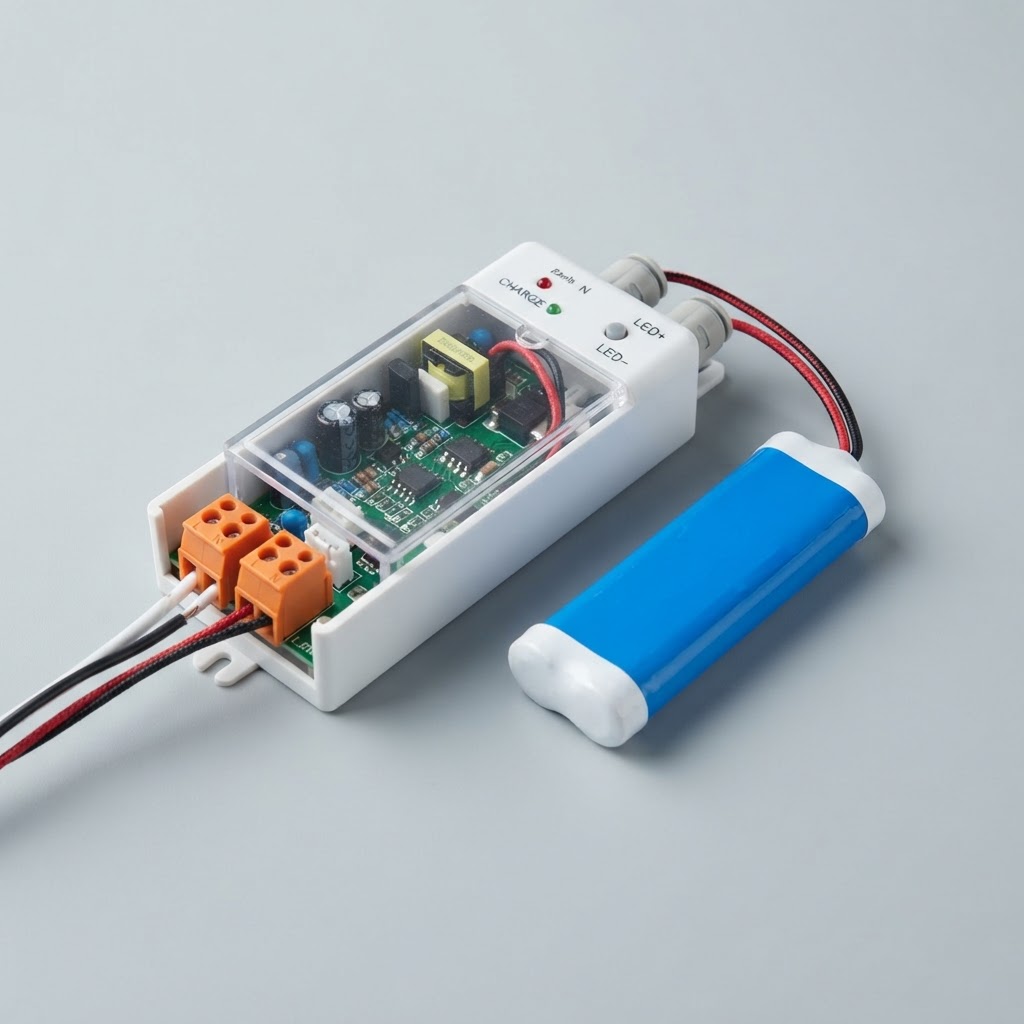
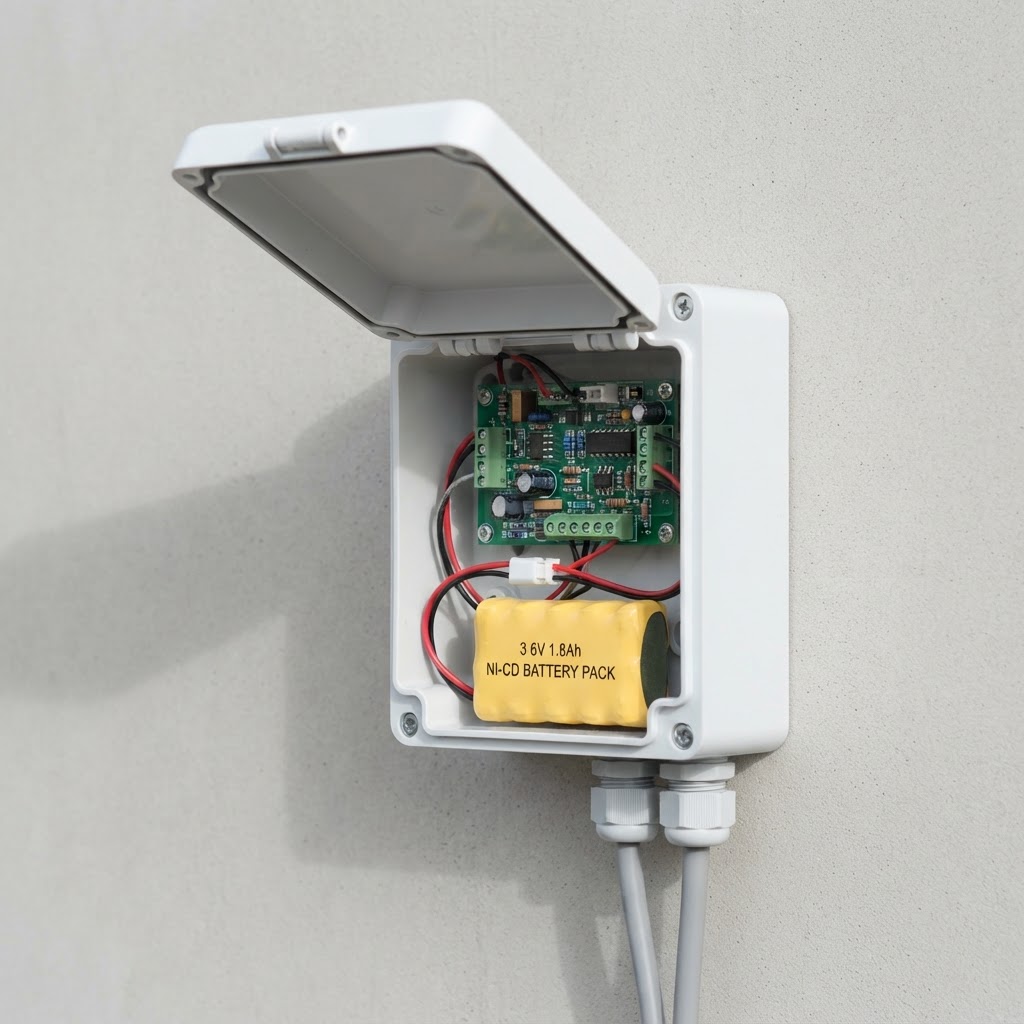
Emergency drivers and remote boxes turn the LED luminaires already on the ceiling into emergency fittings — no new fixing positions, no second set of fittings, no change to the approved design.
New emergency luminaires
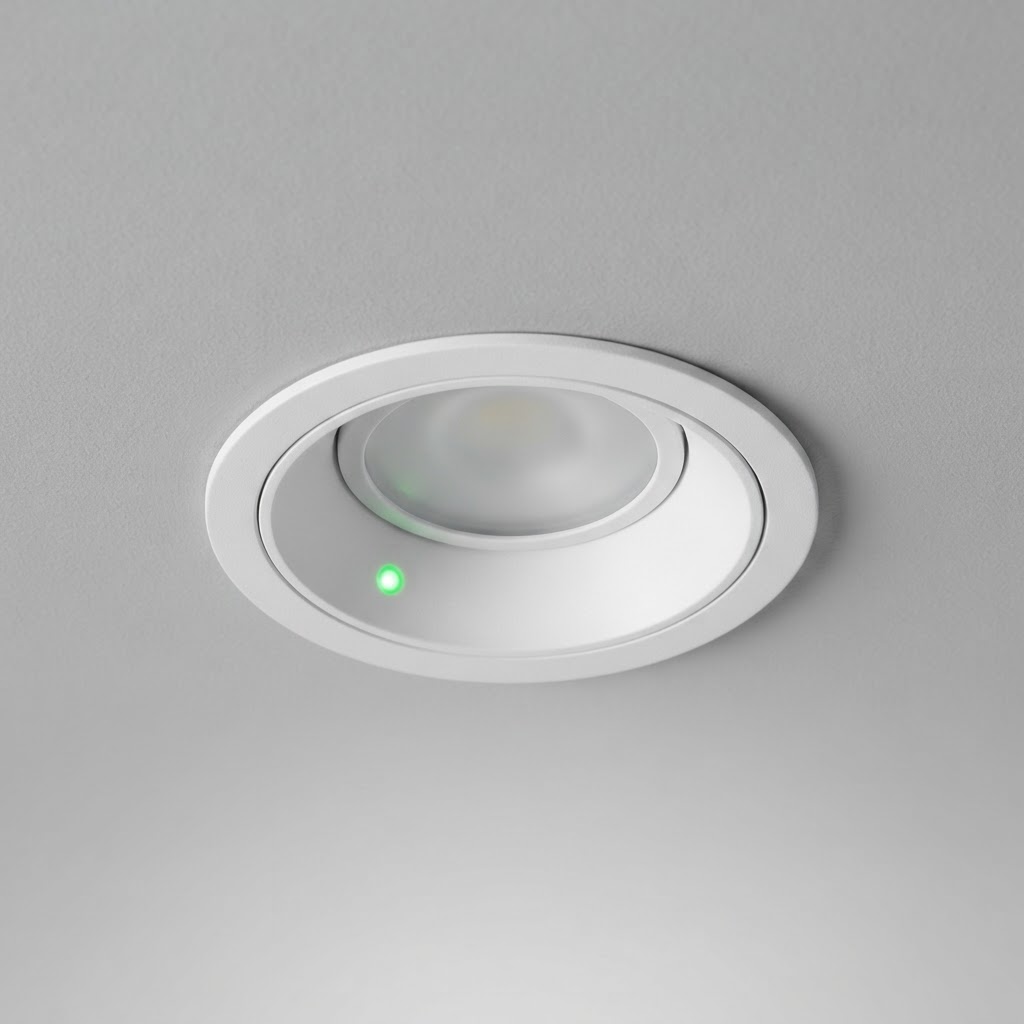
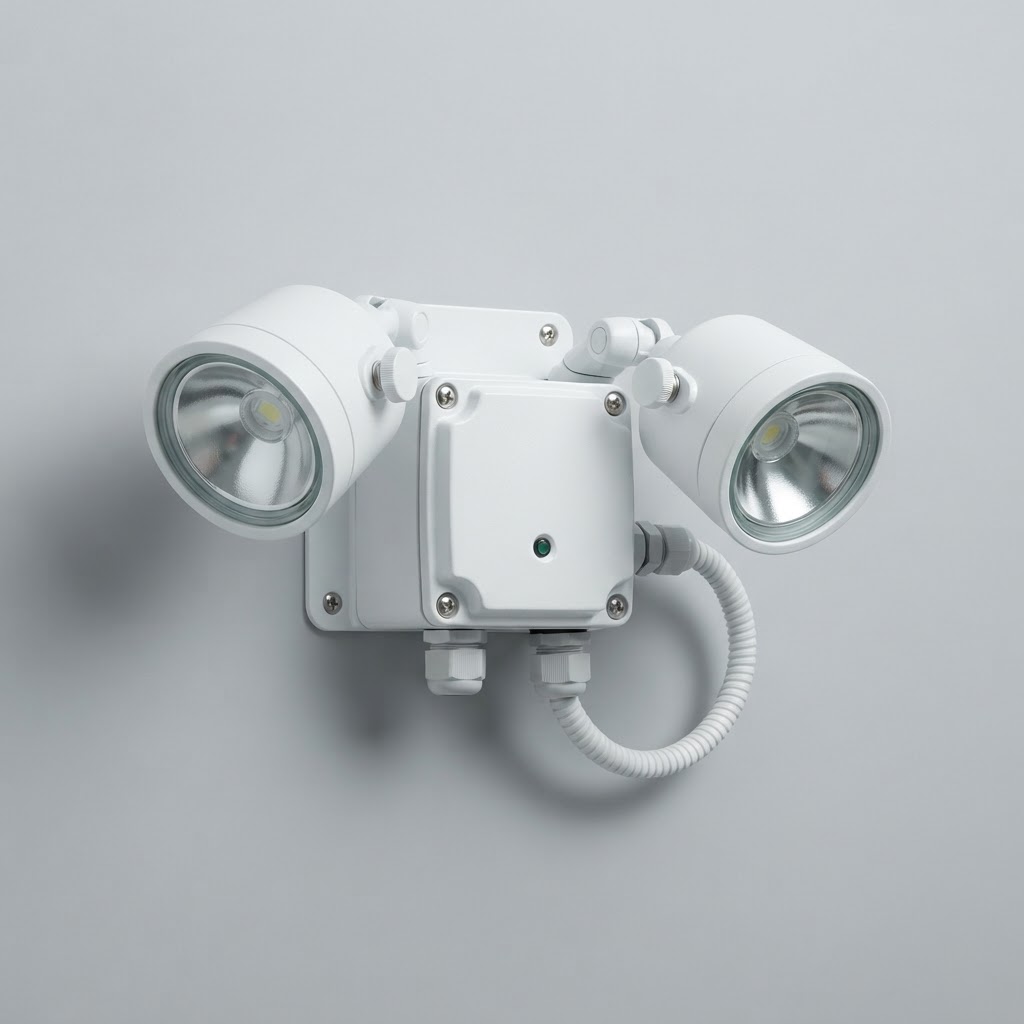
Self-contained downlights, IP65 twinspots and industrial fittings where the scheme is new, or where the existing gear cannot be converted.
Escape route signage
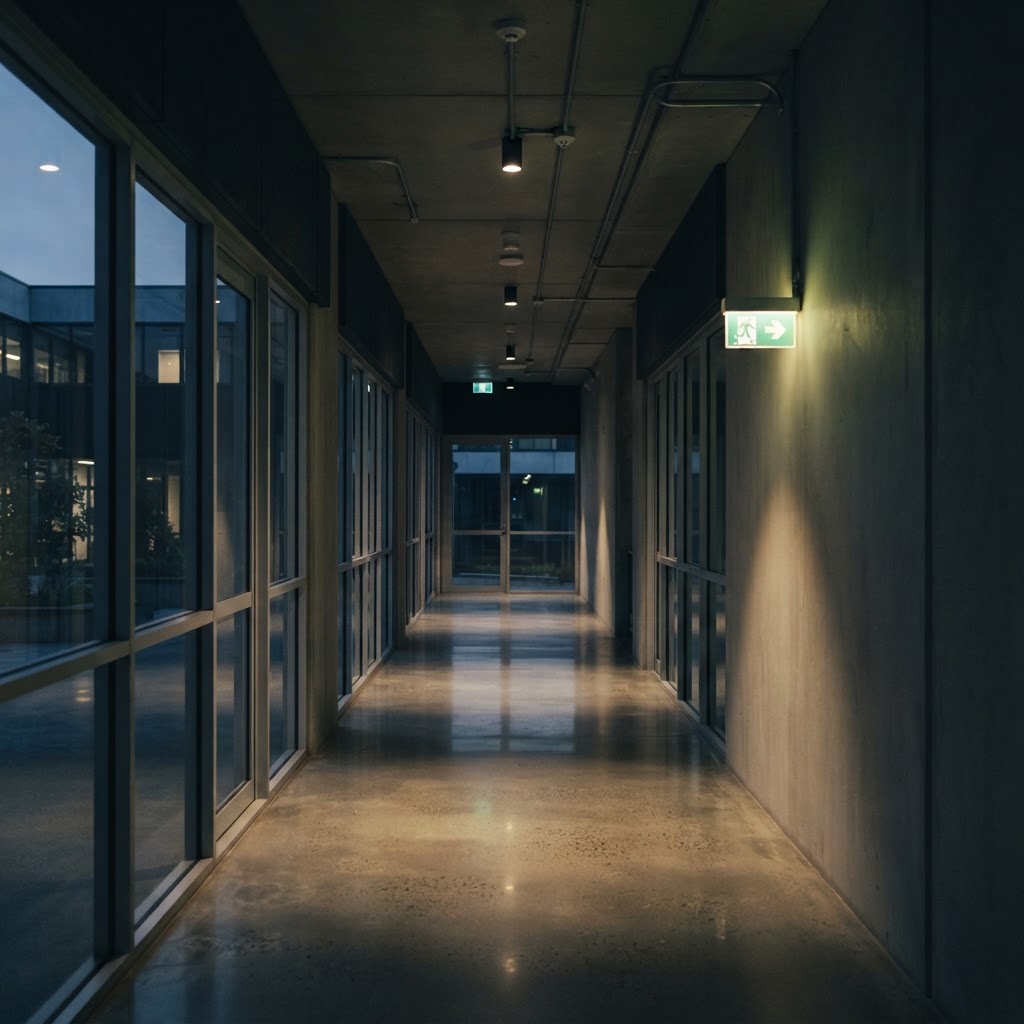
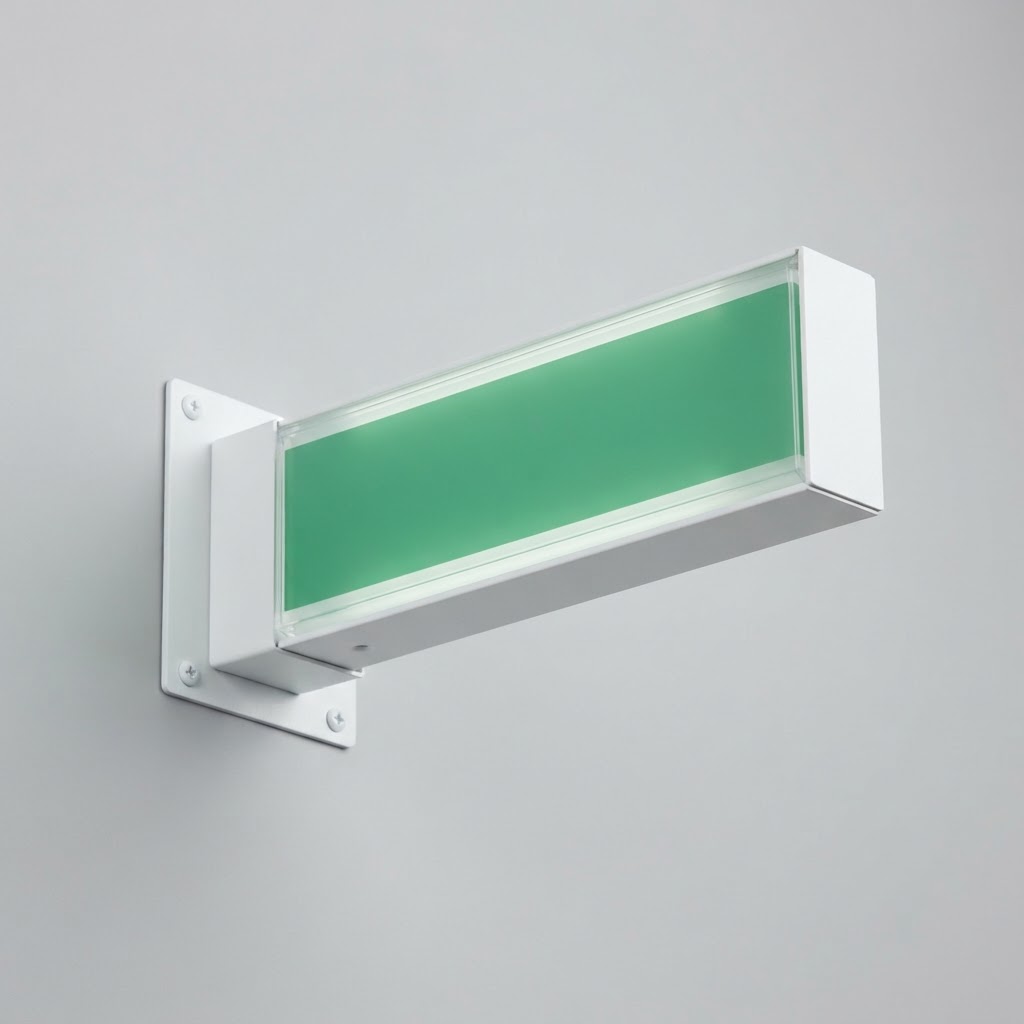
Exit signs with self-contained gear, selectable maintained or non-maintained operation and rotating legends that suit wall or ceiling mounting without a different part number.
Central battery & inverters
Inverter and central battery options, plus LiFePO4 battery packs for self-contained systems — specified against the actual duration and load rather than a default.
Monitoring & self-test
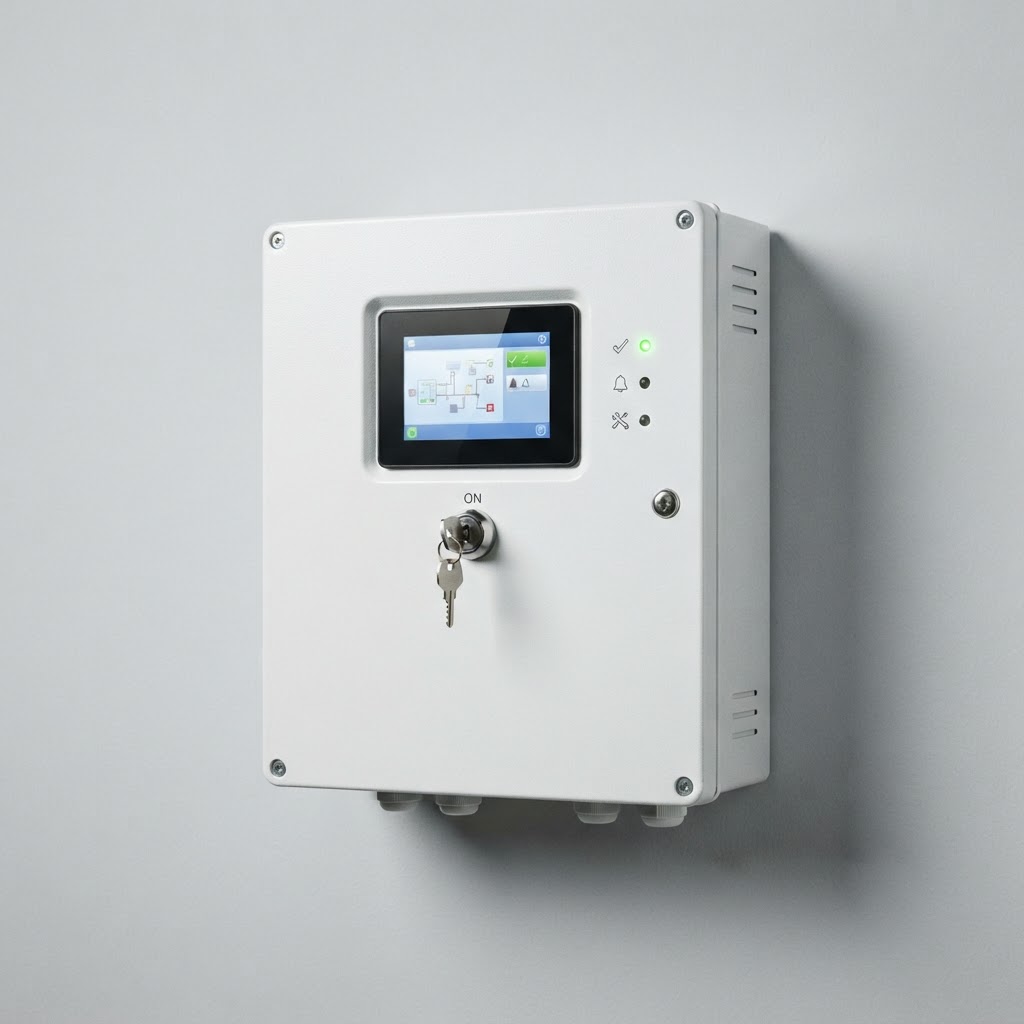
Self-test fittings, or a central supervision unit that runs weekly functional and quarterly duration tests on its own schedule and shows the results on a touchscreen.
Wireless or wired supervision
The LXC/INT handles up to 500 wireless units with far less containment and cabling; the LXC/DALI variant covers 128 wired fittings across two DALI buses.
The components we specify most
Luminaires, exit signs, conversion drivers, remote boxes and central supervision — the parts an emergency lighting scheme is actually built from. Select any product for the full specification.
Luminaires
2 products
Exit signs
1 product
Conversion drivers
1 product
Remote boxes
1 product
Central supervision
1 product