DALI upgrade or full retrofit? How to decide
Not every building needs new luminaires. Where the fittings are sound and already DALI-addressable, upgrading the control layer can deliver most of the saving for a fraction of the disruption.
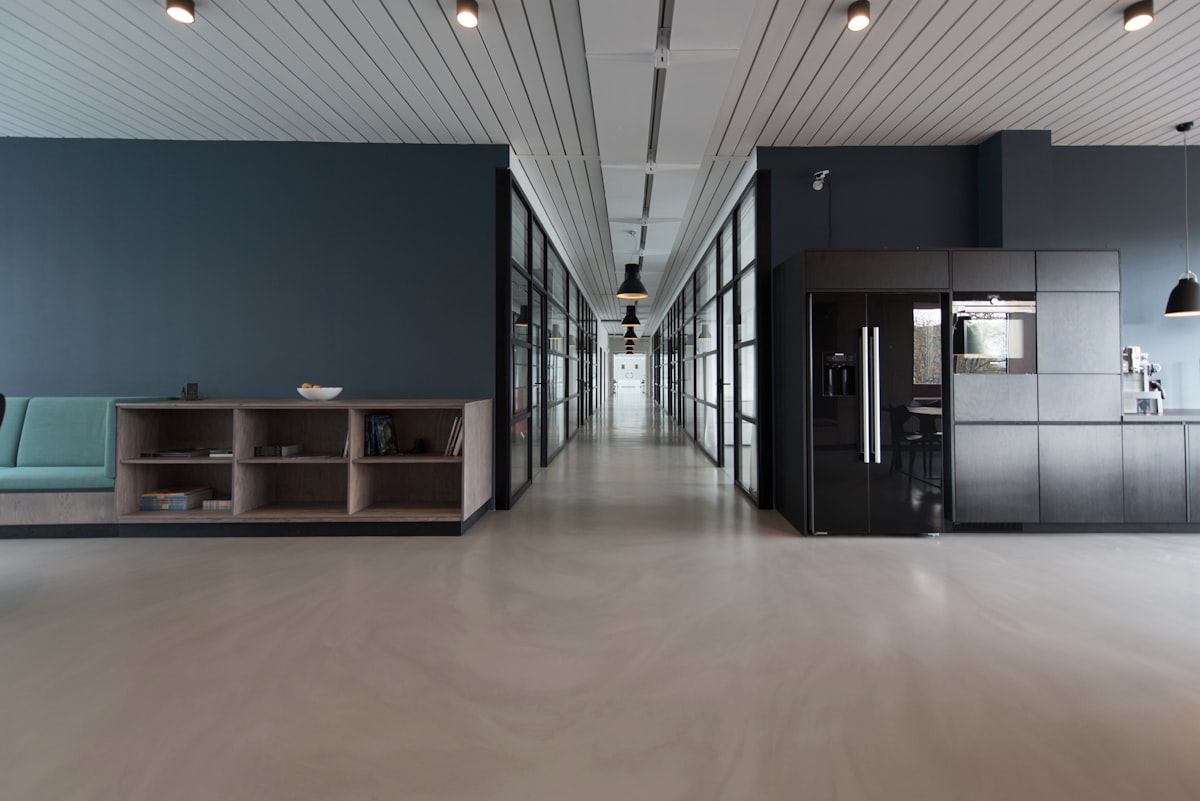
The question we are asked most often on older commercial buildings is whether the lighting has to be replaced at all. Frequently it does not. If the luminaires are in good condition and the drivers are DALI-addressable, the control system is where the energy and the flexibility are lost.
What a control-layer upgrade actually delivers
Addressable dimming, occupancy and daylight sensing, scene control, time scheduling and — importantly for compliance — monitored emergency lighting. The savings come from lights being off or turned down when a space does not need them, rather than from more efficient lamps. On a typical office floor that is a substantial share of the lighting bill.
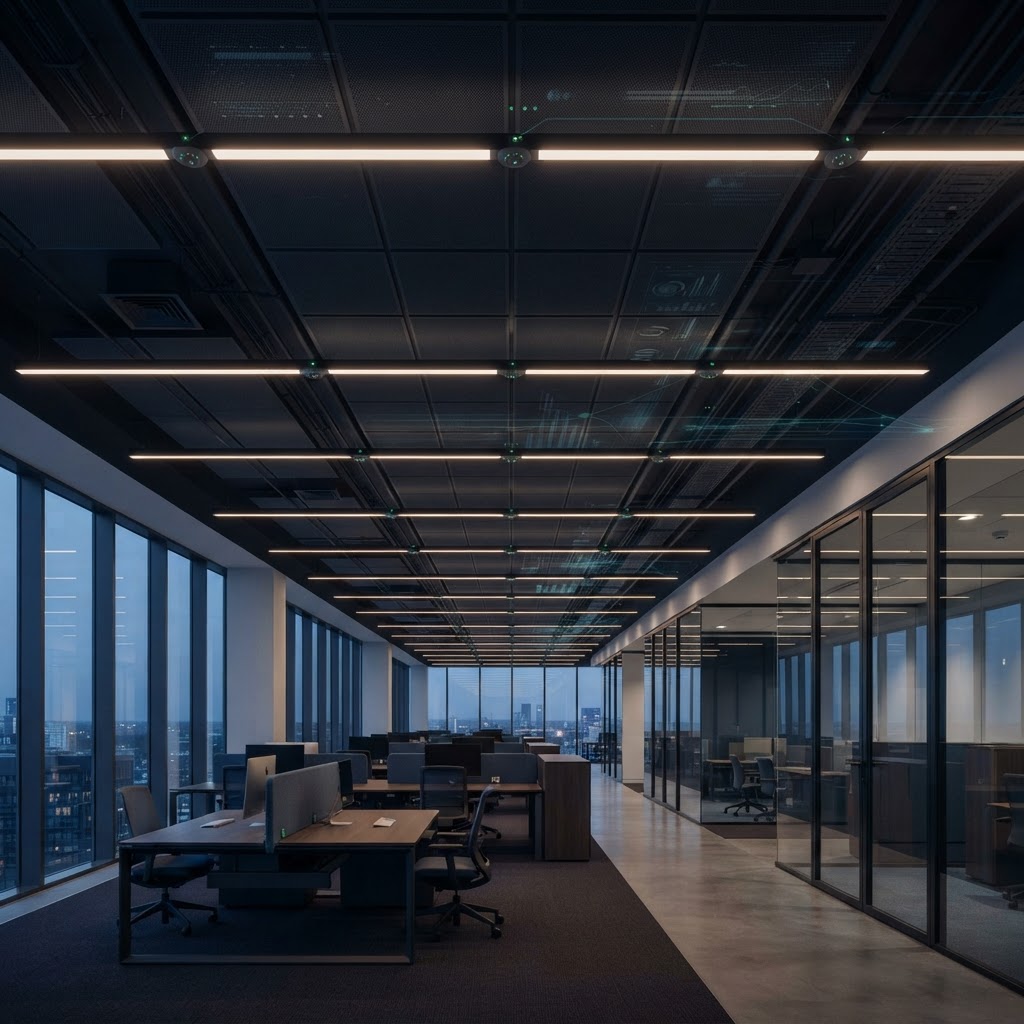
Wireless control has changed the economics of this work. Systems such as Blu2light and Silvair add control and sensing to existing DALI gear over Bluetooth mesh, which means no control cabling and no ceiling access beyond fitting the node. In occupied and heritage buildings that is often the only practical route.
When replacement is the right call
Replace the fittings when the drivers are failing, the light quality is poor, the luminaires are beyond their rated life, or the space is being reconfigured anyway. If a ceiling is coming down for a fit-out, the incremental cost of new connected luminaires is small against doing the work twice.
The decision usually comes down to three numbers: driver age, energy per square metre, and how much disruption the building can tolerate.
We survey the existing installation, model the saving both ways, and set the two against the disruption. If a control upgrade gets most of the benefit, we will say so — even when a full retrofit would be the larger order.
Talk to Scott Group about a project
Get in Touch