Why PoE lighting is spreading beyond the data centre
Power over Ethernet started as a way to light data halls safely. The same logic — low voltage, one cable, a sensor in every fixture — is now changing how offices, clean rooms and pharmaceutical facilities are wired.

Data centres adopted PoE lighting early for one reason: low-voltage power over structured cabling is inherently safer to install and maintain in a live hall. No mains voltage at the fixture, no electrician needed to move a luminaire, and centralised power management that can be monitored like any other network device.
The same case applies almost everywhere else
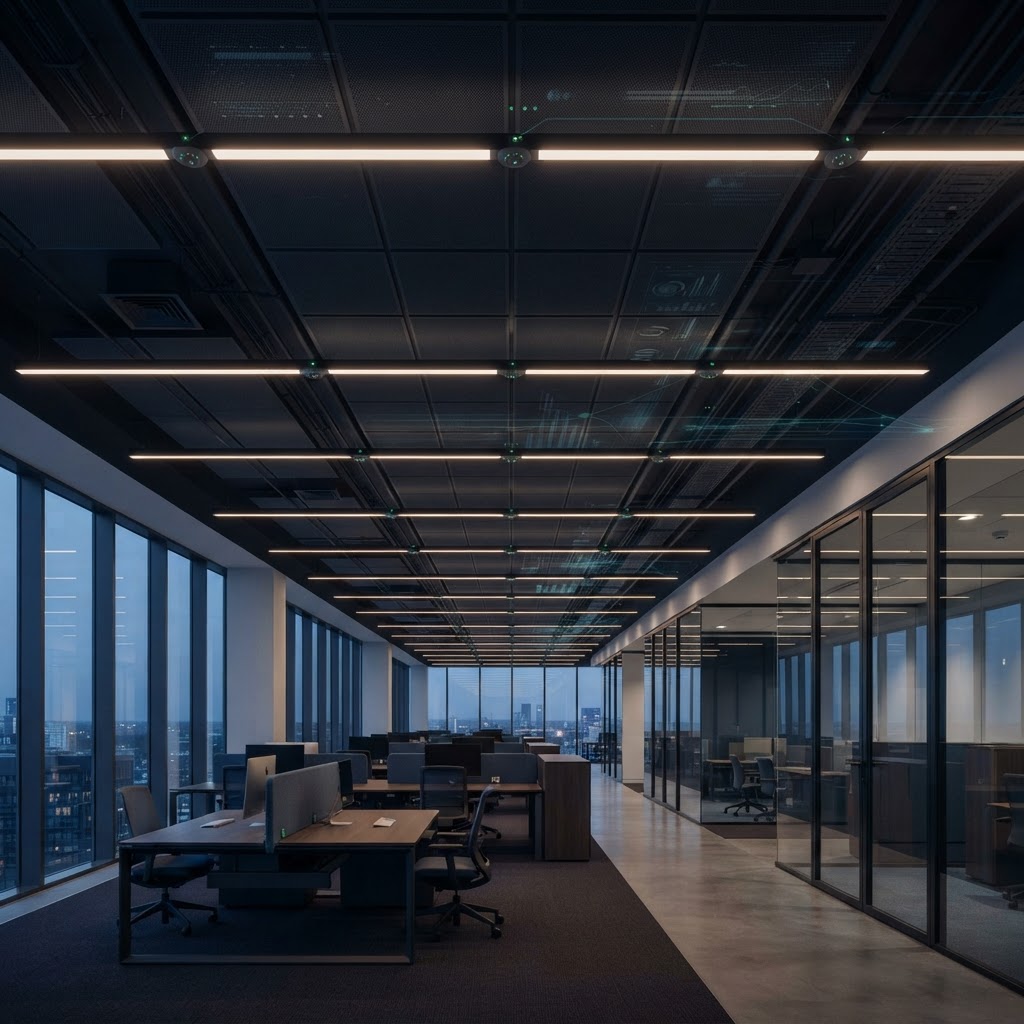
Once a building is lit over Ethernet, the lighting becomes part of the IT estate. Each fixture carries its own sensors, so occupancy and daylight data arrives at floor-wide density rather than from a handful of ceiling sensors. Moves, adds and changes become a patch-panel job. And in pharmaceutical and clean room environments, the absence of mains voltage at the fitting simplifies the change-control process considerably.
Smart Engine, the system we deploy, takes this a step further by putting the controller, driver and sensor in the luminaire itself. Installation is plug-and-play over standard data cable, and the network scales the way any other IT infrastructure does.
Where PoE is not the answer
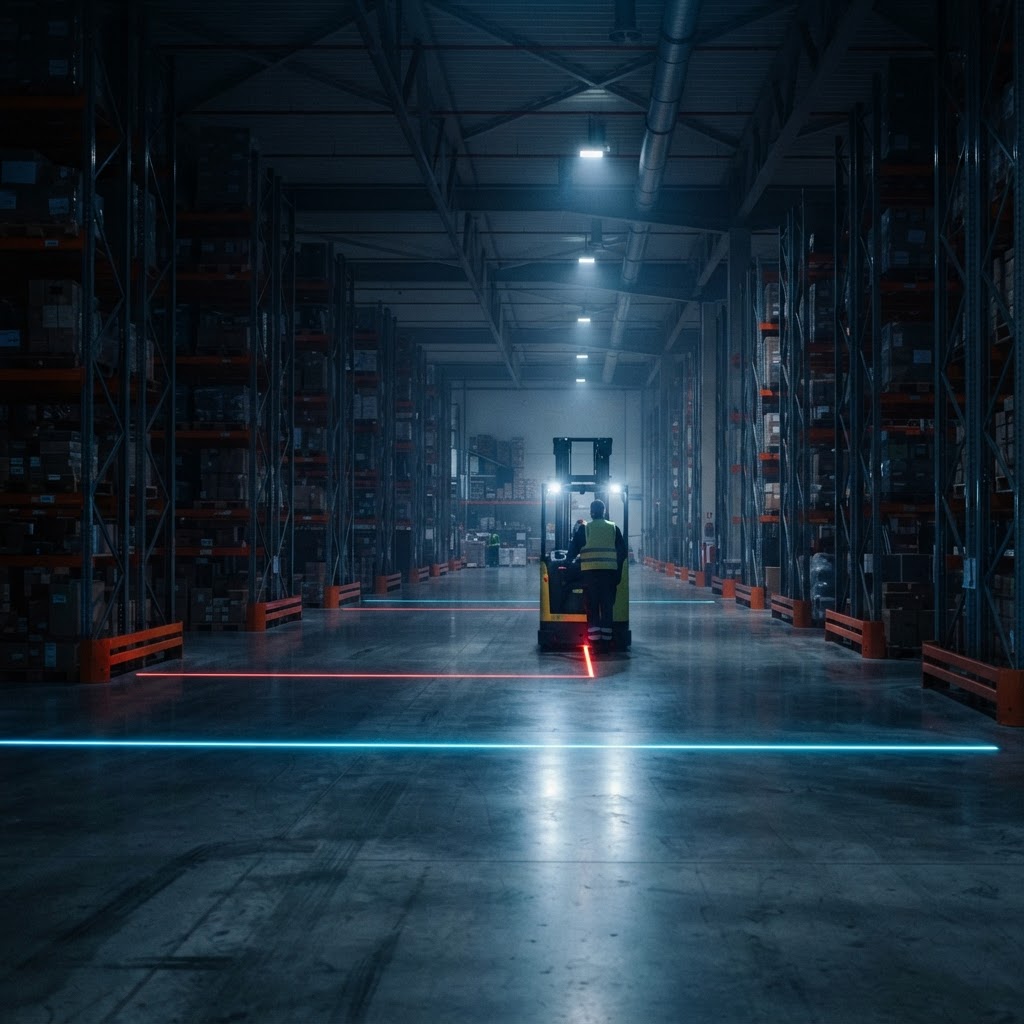
PoE has real limits. Cable run length and per-port power budgets constrain high-output and high-bay applications, so warehouses and sports halls generally stay on DALI or wireless control. Retrofit projects in occupied buildings often favour wireless for the same reason: no new cabling at all.
The right question is not which control system is best. It is what the building needs to do, and which of the four or five viable approaches gets there with the least disruption.
That is why we keep a portfolio rather than a product. PoE, DALI, Bluetooth mesh and proprietary wireless each solve a different problem, and a building will often use more than one.
Talk to Scott Group about a project
Get in Touch